
Insights
UN Carbon Market Issues First Credits Through Myanmar Clean Cookstove Project

A recent study highlights persistent challenges in how universities assess sustainability-oriented research, pointing to fragmented inThe UN has approved the first-ever carbon credits under its Paris Agreement market mechanism, marking a shift from design to real-world implementation.
Microsoft Leads Surge in Carbon Credit Purchases as AI Drives Emissions Higher

Major tech companies including Microsoft, Google, Amazon, and Meta are rapidly increasing their purchases of carbon credits to offset emissions from energy-intensive AI infrastructure. The trend highlights growing tension between ambitious net-zero goals and the environmental impact of expanding data centers powering the AI boom.
Sustainability Research in Higher Education Faces Measurement Gaps, Study Finds

A recent study highlights persistent challenges in how universities assess sustainability-oriented research, pointing to fragmented indicators and largely descriptive evaluation approaches. It proposes a more data-driven framework to improve consistency and better align academic research with sustainable development goals. Continue
Digital Education Framed as a “Sustainability Paradox” in New Study
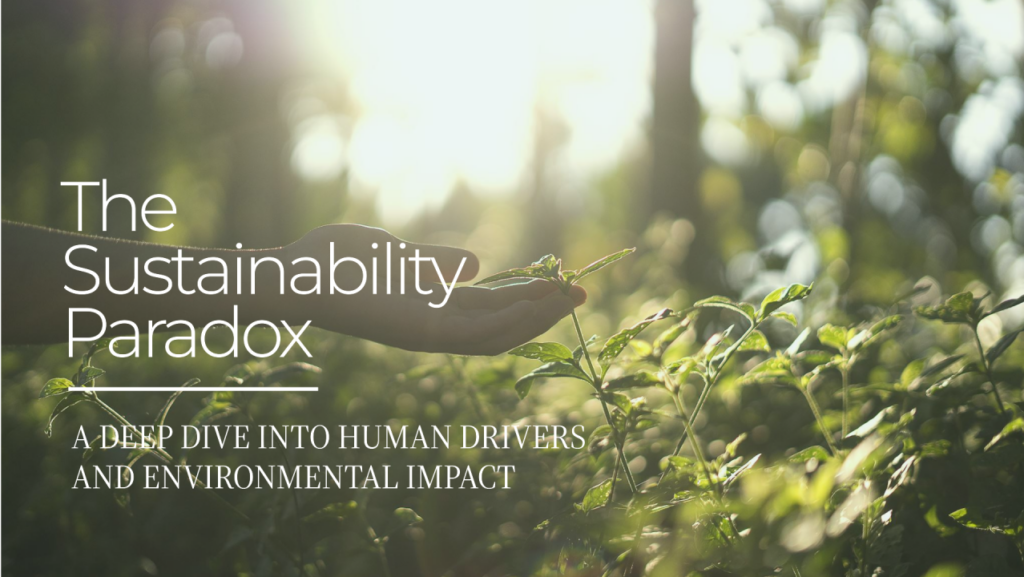
A recent study argues that digital education is not inherently sustainable, highlighting its mixed environmental and social impacts. While it can expand access and reduce physical resource use, it also increases energy consumption and may reinforce inequalities in access to technology and digital skills.
The Ultimate Guide to Understanding Carbon Credits

A carbon market allows investors and corporations to trade both carbon credits and carbon offsets simultaneously. This mitigates the environmental crisis, while also creating new market opportunities. Continue
How to Reduce Your Digital Carbon Footprint

As companies embrace digital technologies, overloaded inboxes and energy-intensive AI are driving up emissions – but businesses can take steps to limit their impact Continue
Why calculating your company’s carbon footprint matters

Company environmental, social and governance (ESG) policy and reporting has become increasingly important. Investors are weighing ESG considerations when making investment decisions, and consumers and employees seek additional engagement and transparency on these issues. Continue
Practical Ways For An Organization To Minimize Its Carbon Footprint

While leaning into technology can help businesses streamline processes, save budget dollars, improve the customer and employee experience, and more, it comes at a cost. Every digital solution requires energy—some more than others—and if an organization isn’t careful, its technology stack can substantially increase its carbon footprint. Continue
Using digitalization to determine the carbon footprint of supply chains

Our experts at thyssenkrupp work every day to make our group more sustainable. One of them is Márton Máté Tóth. As Operational Excellence Leader in Eastern Europe, he drives sustainability projects and ESG measures at thyssenkrupp. One example is the Product Carbon Footprint Calculator (PCFC), which calculates the emissions of a product along the entire supply chain. Continue